Thailand’s foreign minister has revealed that a fragile truce with Cambodia over a deadly border dispute failed because it was rushed under pressure from the United States, which wanted the agreement finalized ahead of a visit by then U.S. President Donald Trump.
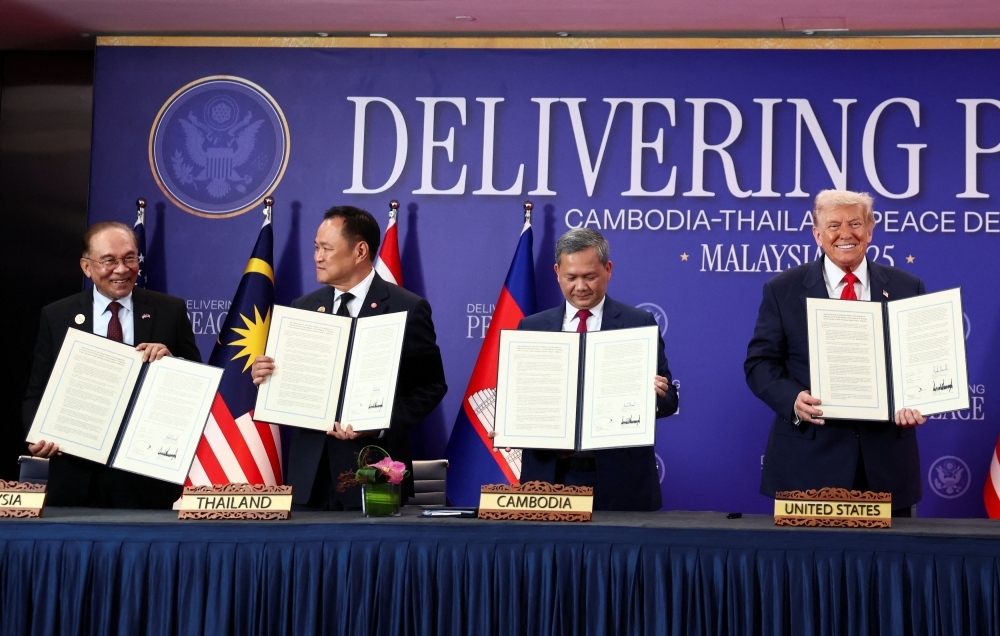
Speaking to reporters on Monday in Kuala Lumpur, Thai Foreign Minister Sihasak Phuangketkeow said the joint declaration, signed in October during talks in Malaysia, was pushed through too quickly. According to him, Washington was keen to see the deal signed before President Trump’s scheduled visit, leaving little room for careful discussion or long-term planning.
“I’ve noted that we were sometimes in a rush to do the joint declaration,” Sihasak said. “The United States wanted the declaration signed in time for the visit of President Trump.”
While acknowledging that reaching agreements quickly can be important, the Thai diplomat stressed that speed should never come at the cost of substance. He explained that lasting peace requires patience, trust, and detailed conversations to ensure that all sides truly respect what has been agreed.
“The earlier the better, yes,” he said, “but sometimes we really need to sit down properly so that what we agree on will actually hold and be respected.”
The truce, which aimed to extend a pause in fighting along the Thai-Cambodian border, was later put on hold just a month after it was signed. The breakdown highlighted the risks of rushed diplomacy in sensitive conflicts where lives, sovereignty, and regional stability are at stake.
At its core, this episode serves as a reminder that peace agreements are not just about signatures and ceremonies. They are about building understanding, allowing time for dialogue, and creating commitments strong enough to survive political pressure. When diplomacy moves faster than trust, even the most promising deals can unravel.