Qatar has issued a stark warning over rising tensions between the United States and Iran, emphasizing that any military escalation could have devastating consequences for the Middle East. The caution came after Washington hinted at potential strikes in response to Iran’s recent crackdown on nationwide protests.
“We understand that any escalation… would have catastrophic results in the region and beyond. That is why we are determined to avoid it as much as possible,” said Majed al-Ansari, a spokesperson for Qatar’s Foreign Ministry, during a press briefing in Doha.
The Gulf nation has played a pivotal role in previous crises, including June’s unprecedented incident when Iran targeted the US’ Al Udeid military base in Qatar following American strikes on Iranian nuclear facilities. Qatar’s diplomatic efforts at that time helped pave the way for a swift truce between Washington and Tehran.
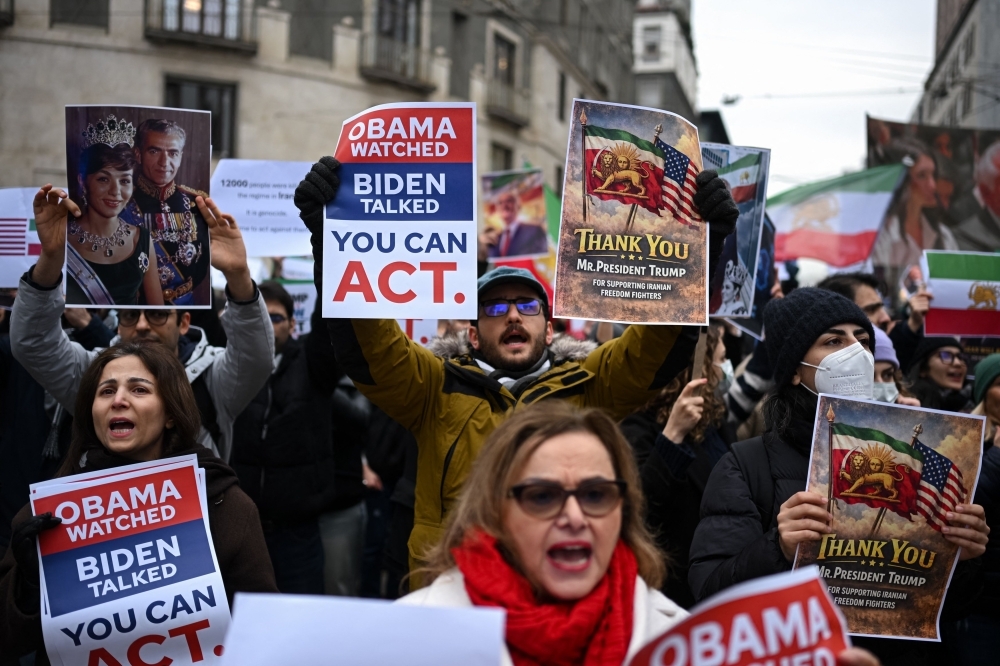
Iran has been rocked by mass protests since Thursday, posing one of the biggest challenges to the country’s leadership since the 1979 Islamic Revolution. The US White House reiterated on Monday that President Donald Trump is considering air strikes to halt the violent crackdown on demonstrators.
Human rights organizations continue to report rising casualties despite ongoing information restrictions, including days-long internet shutdowns in Iran. The Norway-based NGO, Iran Human Rights (IHR), confirmed at least 648 deaths during the protests, including nine minors, while warning the actual toll could exceed 6,000.
In response to US threats, Iran’s parliament speaker, Mohammad Bagher Ghalibaf, declared that Iran would retaliate, labeling US military and shipping assets as “legitimate targets” during a broadcast on state television.
Despite escalating rhetoric, Qatar remains hopeful for a diplomatic resolution. “We are still at a state where we believe that a diplomatic solution can emerge,” said al-Ansari. “We are engaging with all parties, including our neighbors and regional partners, to find a peaceful outcome.”
This tense situation underscores the delicate balance in international relations, reminding the world that human lives hang in the balance and that dialogue, not conflict, remains the most urgent path forward.