After a 14 year pause, Bangladesh and Pakistan have officially reopened direct air travel, marking a notable shift in relations between the two South Asian nations. The first regular direct flight took off yesterday, signaling renewed connectivity between countries that share a complex and deeply rooted history.
Bangladesh and Pakistan, once part of a single nation before their separation in 1971 following a bitter war, have remained geographically close yet politically distant for decades. Separated by nearly 1,500 kilometres of Indian territory, travel between the two countries since 2012 required long stopovers through Gulf hubs such as Dubai or Doha.
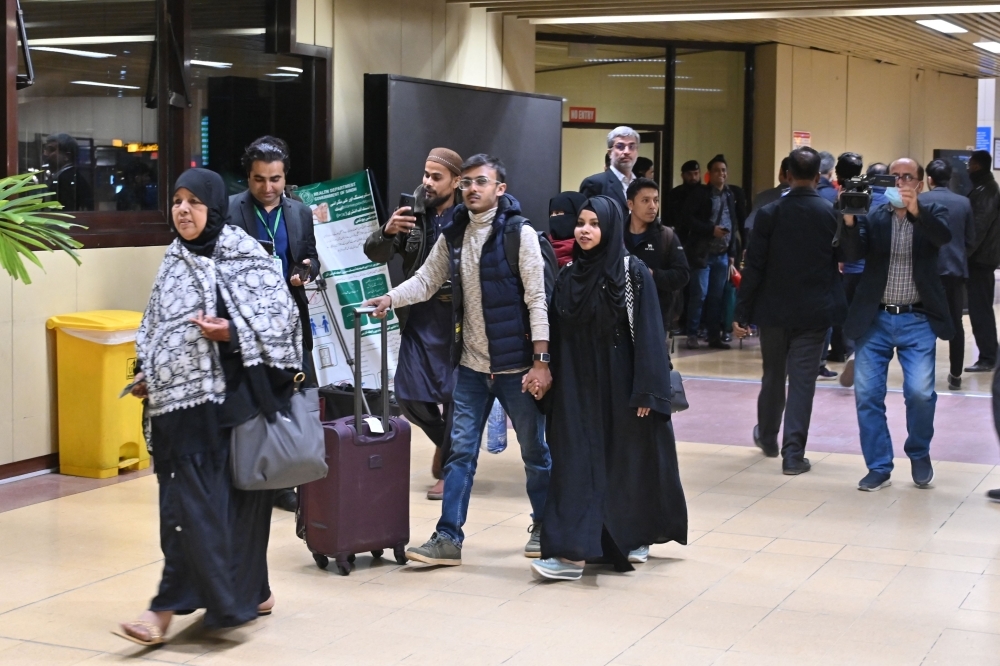
That changed yesterday when Biman Bangladesh Airlines launched its first direct flight to Karachi since 2012. The aircraft carried around 150 passengers, many of whom described the moment as long overdue.
Mohammad Shahid, one of the passengers heading to Karachi, said the direct route would allow him to travel far more often than before. Previously, the complicated journey meant he could only make the trip once every few years.
For many families, students, traders, and patients, the return of direct flights is more than just convenience. It is a bridge reconnecting people who have remained linked by culture, language, and shared experiences despite years of diplomatic distance.
The flights will now operate twice a week, and Biman Bangladesh Airlines stated that the service is expected to strengthen trade and commerce, expand educational opportunities, and encourage cultural exchange between the two countries.
Relations between Dhaka and Islamabad have steadily improved since political changes in Bangladesh in 2024, when a student led uprising ended the 15 year rule of Sheikh Hasina. During the same period, Bangladesh’s ties with India, previously a close ally of Hasina, have cooled.
The warming relationship has already shown results beyond aviation. Cargo shipping between Karachi and Chittagong resumed in late 2024, trade volumes have increased, Pakistani artists have performed in Dhaka, and Bangladeshi patients have begun traveling to Pakistan for medical treatment.
Beyond policy and politics, this flight represents something quieter but more powerful. It carries reunions, opportunities, memories, and hope. For passengers on board, it is not just a route reopening after 14 years. It is a reminder that even strained histories can find moments of reconnection when people are finally allowed to meet face to face again.