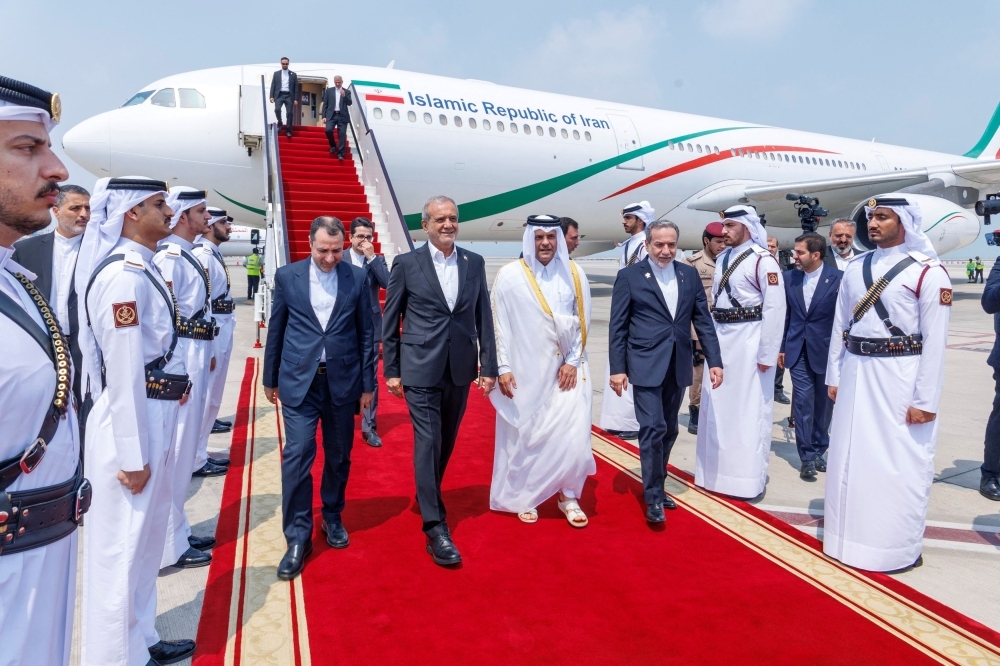
In a dramatic turn of events, the United States and Iran have agreed to a two-week ceasefire, just moments before a major escalation deadline set by President Donald Trump. The agreement includes the temporary reopening of the crucial Strait of Hormuz, a key global oil route that had been closed amid rising conflict.
After weeks of intense military exchanges involving the United States and Israel, Iran confirmed it is ready to begin diplomatic talks with Washington. These discussions are expected to take place in Pakistan, signaling a possible shift from conflict to negotiation.
President Trump revealed that the decision to pause military action came after discussions with Pakistani leadership, who urged restraint. He stated that the suspension of attacks is conditional upon Iran ensuring a complete, immediate, and safe reopening of the Strait of Hormuz.
Iran’s Foreign Minister, Abbas Araghchi, confirmed that safe passage through the strait will be guaranteed for two weeks. This waterway is vital, as it carries nearly one-fifth of the world’s oil supply, making its closure a major concern for global markets.
The announcement quickly impacted oil prices, which dropped following news of the ceasefire. Rising fuel costs had been placing increasing pressure on economies and political leaders, particularly in the United States.
Despite the positive development, uncertainty remains. Iran has presented a set of conditions for a long-term agreement, including the lifting of sanctions, control over the Strait of Hormuz, and the withdrawal of US forces from the region. These demands may pose challenges for ongoing negotiations.
Meanwhile, reactions from other global players have been cautious. Israel has yet to formally respond, although it had previously supported military action against Iran. Concerns have also been raised internationally over the scale of threats issued during the conflict, particularly regarding potential damage to civilian infrastructure.
Religious and global leaders have voiced strong opposition to such threats. Pope Leo XIV described the situation as deeply concerning and unacceptable, emphasizing the need to protect civilian lives.
Pakistan has stepped forward as a key mediator, advocating for peaceful dialogue. Prime Minister Shehbaz Sharif expressed optimism that diplomatic efforts are gaining momentum and encouraged continued restraint from all sides.
Even as talks progress, reports indicate that infrastructure strikes had already taken place before the ceasefire deadline, including attacks on bridges and railways. Civilian casualties have been reported, highlighting the human cost of the conflict.
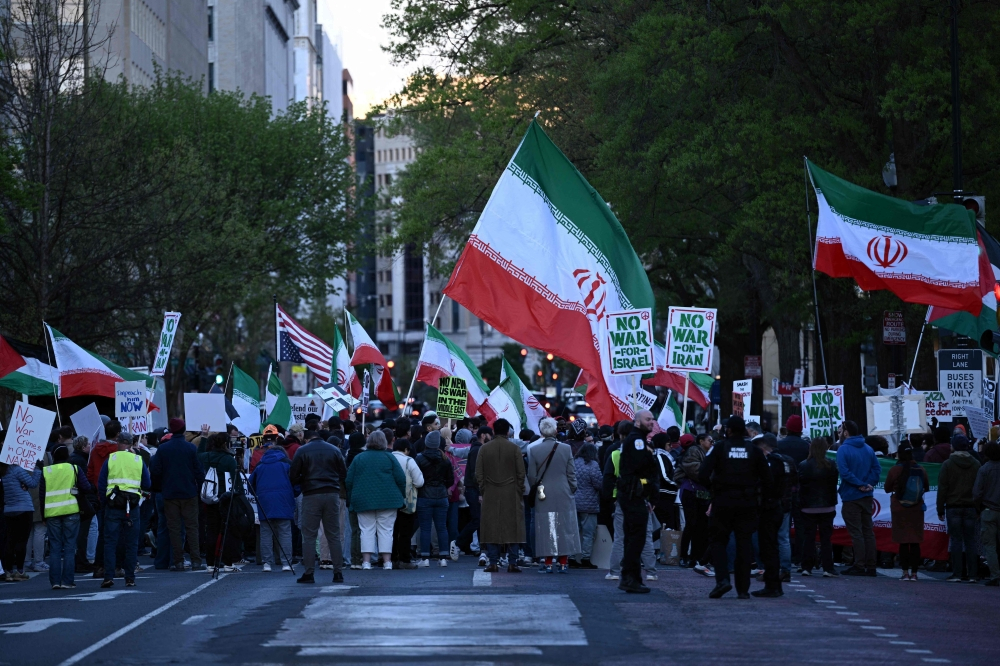
On the ground, fear and uncertainty have deeply affected ordinary citizens. Many Iranians have expressed anxiety over the escalating situation, with some sharing personal losses and the emotional toll of ongoing violence. In response, communities have come together, forming symbolic acts of unity to protect vital infrastructure.
This ceasefire offers a brief pause in what has been a highly volatile situation. While it does not guarantee long-term peace, it opens the door for dialogue and a possible path forward.
At its core, this moment is not just about politics or power. It is about millions of lives caught in uncertainty, families hoping for safety, and a world watching closely. The ceasefire is a reminder that even in the most intense conflicts, there is always a choice to step back, rethink, and move toward peace.