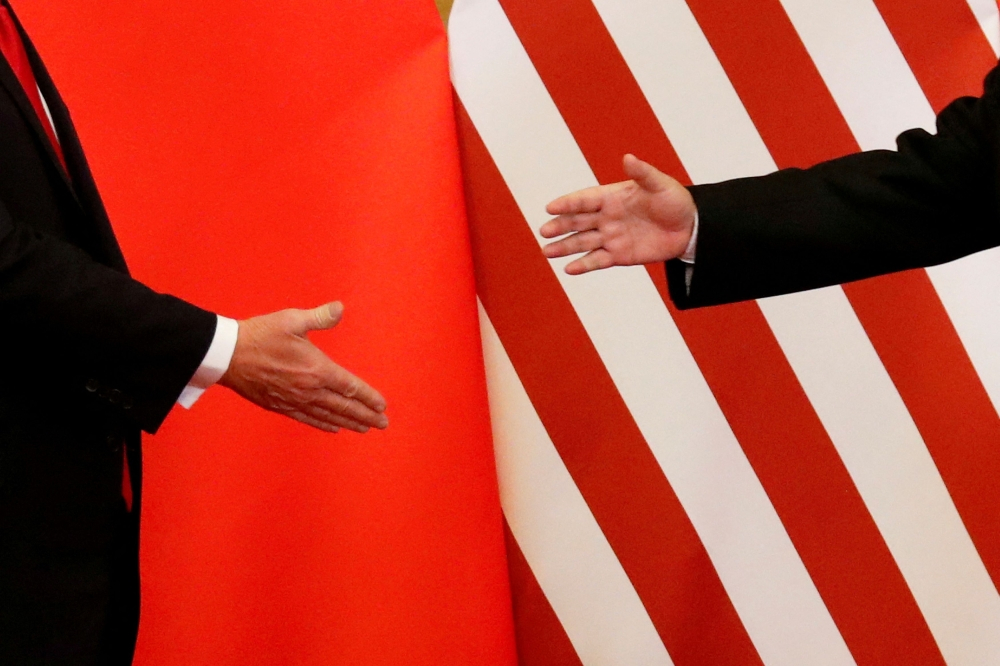
China has issued a clear warning that it will respond firmly if the United States moves forward with new tariff measures tied to allegations involving Iran. The statement comes amid rising geopolitical tension and ahead of a planned high-level meeting between the two global powers.
US President Donald Trump recently stated that his administration could impose a 50 percent tariff on Chinese goods if Beijing provides military assistance to Iran. The remarks were made just weeks before his expected visit to China, where he is scheduled to meet President Xi Jinping for critical discussions.
The situation intensified after reports from major US media outlets suggested that China might be preparing to send advanced air defense systems to Iran. Some intelligence assessments even hinted that shipments of shoulder-fired missiles may have already been delivered.
China, however, has strongly denied these claims. Speaking at a press briefing, Chinese Foreign Ministry spokesperson Guo Jiakun dismissed the reports as entirely false and without any factual basis. He emphasized that China does not accept accusations built on what it considers fabricated information.
In response to the tariff threat, Guo made it clear that China would not remain passive. He stated that if the US proceeds with additional tariffs using such allegations as justification, China will take decisive countermeasures to protect its economic interests.
China’s relationship with Iran is largely economic. It remains one of Iran’s biggest oil buyers, maintaining strong trade connections with the Middle Eastern nation. However, analysts often describe the relationship as strategic but transactional, rather than a formal military alliance.
At the same time, China maintains significant economic partnerships across the Gulf region and has, in the past, criticized attacks affecting regional stability. This positions Beijing in a delicate balancing act between maintaining its economic interests and managing diplomatic relationships.
As global attention turns toward the upcoming meeting between Trump and Xi, this situation highlights the fragile nature of international trade relations. What begins as an allegation can quickly evolve into economic confrontation, affecting not just two nations but the broader global market.
At its core, this is more than a political dispute — it is a reminder of how interconnected the world has become. Decisions made by powerful nations ripple across economies, businesses, and everyday lives. In times like these, dialogue, clarity, and responsible leadership matter more than ever.