Mexico’s decision to end the school year more than a month earlier than planned has ignited widespread public criticism, as authorities cite rising temperatures and preparations for the upcoming FIFA World Cup as key reasons behind the controversial move.
Education Secretary Mario Delgado announced that the academic year would officially conclude on June 5, nearly 40 days earlier than expected. According to officials, the decision was influenced by an intense heatwave already affecting several Mexican states, alongside growing logistical demands linked to the international football tournament.
Speaking during an event in the northern state of Sonora, Delgado explained that protecting students from extreme weather conditions was becoming increasingly urgent. At the same time, authorities are also preparing for the massive operational challenges expected during the World Cup period.
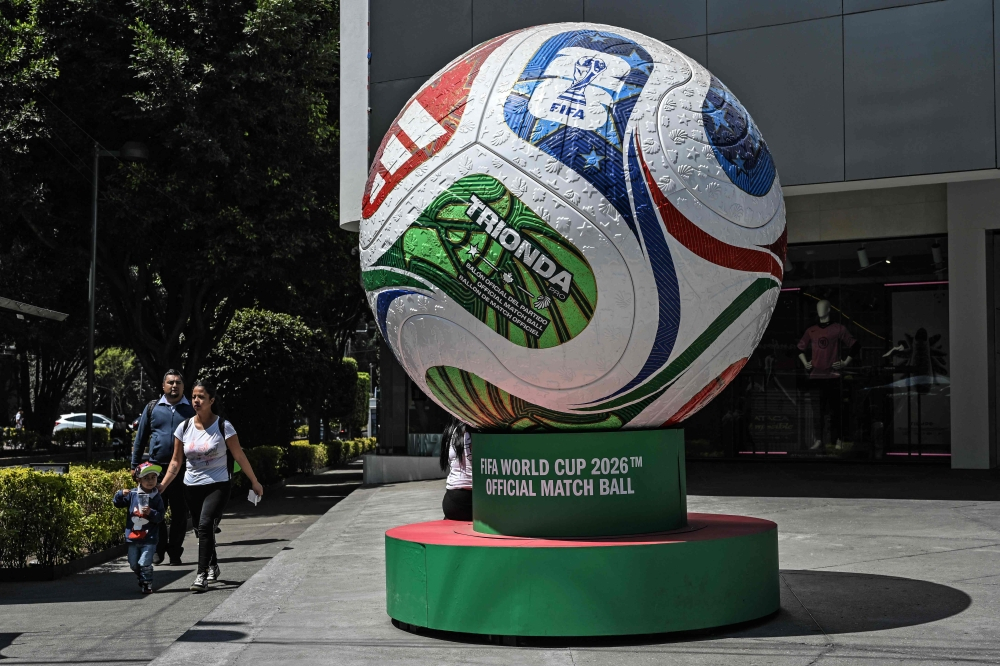
Mexico is set to co-host the 2026 FIFA World Cup together with the United States and Canada. The tournament officially begins on June 11, with Mexico opening its campaign against South Africa in Mexico City.
However, the announcement quickly triggered backlash from parents, educators, economists, and policy experts across the country.
President Claudia Sheinbaum later clarified that the proposal was not yet fully finalized, emphasizing that authorities were still reviewing the academic calendar carefully.
“There is no definitive calendar yet,” Sheinbaum stated during her daily press conference, adding that ensuring students do not lose valuable classroom learning time remains a major concern.
Families across Mexico expressed frustration over the possibility of an extended summer break, which could force many working parents to arrange and finance an additional month of childcare.
Public policy think tank Mexico Evalua warned that shortening the school year could negatively affect more than 23 million students, especially at a time when educational inequality and learning gaps are already growing nationwide.
Meanwhile, the influential business organization Coparmex criticized the decision as rushed and poorly coordinated, warning that sudden changes could disrupt family schedules, workplace productivity, and local economic planning.
Political tensions have also surfaced. Officials in the western state of Jalisco announced they would refuse to follow the federal directive and instead maintain the original school calendar until June 30. Authorities there stated that schools would only suspend classes on the specific days when World Cup matches are held in Guadalajara to manage transportation and logistical demands tied to the event.
The controversy highlights a growing challenge faced by governments worldwide: balancing public safety, climate realities, major international events, and the long-term educational needs of future generations.
As Mexico prepares to welcome millions of football fans from around the globe, many citizens are now asking whether the excitement of hosting one of the world’s biggest sporting events should come at the cost of children’s education and family stability.