The latest agreement between Lebanon and Israel, signed in Washington after multiple rounds of negotiations, was intended to create a pathway toward reducing decades of conflict. However, hopes for stability were immediately challenged after Hezbollah publicly rejected the deal, deepening uncertainty over whether peace can truly take hold.
Israeli Prime Minister Benjamin Netanyahu described the agreement as a strategic victory against both Iran and Hezbollah, arguing that it strengthens Israel’s long-term security interests. The agreement reportedly includes measures aimed at disarming Hezbollah, a condition Israel considers essential for lasting peace along its northern border.
Hezbollah Secretary-General Naim Qassem dismissed the agreement outright, calling it “humiliating, shameful, and a surrender of sovereignty.” He insisted that the deal carries no legitimacy and warned it could eventually pave the way for Israel to expand its control over parts of southern Lebanon.
Qassem further argued that any lasting regional solution should follow the broader Iranian-American memorandum of understanding, which was designed to address wider conflicts across the Middle East, including the situation in Lebanon.
Despite Hezbollah’s rejection, Israeli Defence Minister Israel Katz reaffirmed Israel’s position, stating that Israeli forces are prepared for a prolonged military presence in southern Lebanon if Hezbollah remains armed.
According to Katz, Israel will not withdraw its troops until Hezbollah has been fully disarmed across Lebanese territory. He instructed Israeli military units to prepare for what he described as an “extended stay” in the region, emphasizing that Israel’s security remains the government’s highest priority.
Prime Minister Netanyahu echoed this message during a televised briefing, saying both the United States and Lebanon recognize Israel’s right to maintain a security zone inside Lebanon for as long as necessary to protect Israeli citizens.
Meanwhile, Lebanon’s President Joseph Aoun spoke with U.S. President Donald Trump, assuring him that the Lebanese government would take responsibility for implementing the agreement. Aoun also urged Washington to ensure that all parties respect the terms of the deal, particularly by encouraging Israel to withdraw from occupied areas in southern Lebanon to allow the Lebanese Armed Forces to deploy along the international border.
The agreement has also sparked criticism within Israel. National Security Minister Itamar Ben Gvir argued that only Israeli military forces—not diplomatic agreements—can effectively neutralize Hezbollah’s military capabilities.
The conflict escalated earlier this year after Hezbollah launched rocket attacks into Israel following the killing of Iran’s Supreme Leader during joint U.S.-Israeli military operations. Israel responded with extensive airstrikes and a ground offensive into southern Lebanon, resulting in widespread destruction across several communities.
Iran continues to insist that any comprehensive regional peace agreement must include Lebanon, while Lebanese officials have repeatedly attempted to separate Lebanon’s negotiations from broader regional disputes.
Israeli Defence Minister Katz also warned that Israel would respond with significant force should Iran attempt to interfere with the implementation of the new agreement.
On the streets of Beirut, public reaction remains deeply divided.
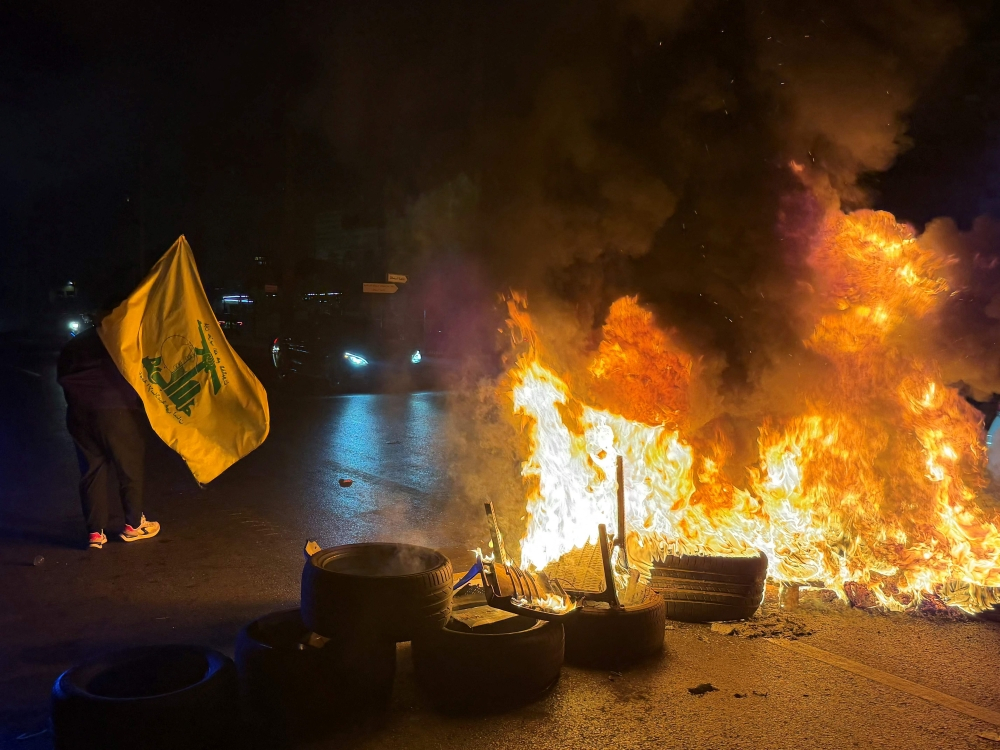
Supporters of Hezbollah gathered in protest shortly after the agreement was announced. Many viewed the framework as a surrender of Lebanon’s sovereignty, expressing frustration and anger over the negotiations.
Others, however, adopted a more cautious outlook. Some residents acknowledged that while the agreement may not immediately end hostilities, diplomacy could still represent the only realistic path toward reducing violence after years of conflict.
Lebanon’s military has since pledged to maintain public order and prevent unrest, stressing that preserving civil peace remains a national priority during this politically sensitive period.
Although a previous ceasefire reached in April failed to halt fighting completely, violence has noticeably declined following the recent diplomatic understandings between the United States and Iran.
Even so, military operations have not entirely stopped. Israel reported targeting individuals it described as security threats in southern Lebanon, while Lebanese authorities confirmed casualties following new airstrikes.
Under the agreement, Lebanon and Israel formally express their intention to end decades of hostility, address the underlying causes of conflict, and work toward concluding the longstanding state of war between the two countries.
A central part of the framework requires Lebanon’s armed forces to gradually restore full sovereign control across the country while overseeing the verified disarmament of non-state armed groups.
Whether this agreement becomes a historic turning point or another missed opportunity will depend largely on political commitment, regional cooperation, and the willingness of all parties to move beyond military confrontation toward lasting peace.