Venezuela enters a new phase as rescue missions wind down
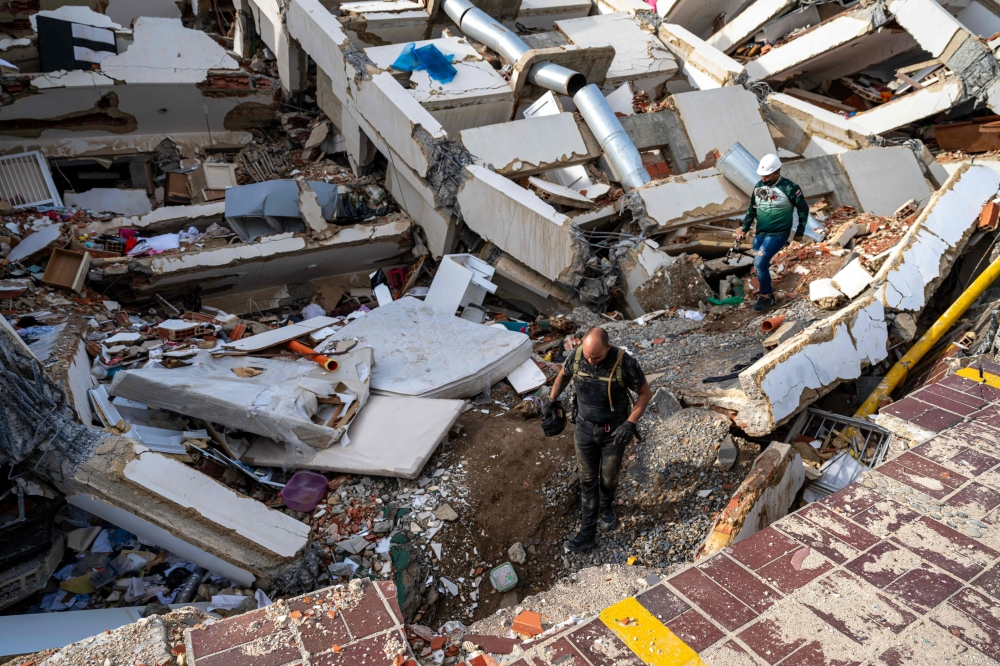
One week after two devastating earthquakes struck Venezuela, rescue teams are gradually ending search operations as the possibility of finding more survivors becomes increasingly unlikely. While emergency workers continue clearing debris in selected locations, the country’s focus is now shifting from rescue to humanitarian relief.
The powerful earthquakes have left communities shattered, families separated, and thousands struggling to survive without adequate food, clean water, or shelter.
As the confirmed death toll continues to rise, Venezuela has declared seven days of national mourning to honor those who lost their lives.
Death toll climbs while thousands remain missing
Authorities have confirmed that at least 2,295 people have died, while more than 11,000 people have been injured. Nearly 13,000 residents have lost their homes, forcing many families to sleep in temporary shelters, parking lots, and open spaces.
The United Nations estimates that approximately 50,000 people remain unaccounted for, making it one of the deadliest natural disasters in Venezuela’s modern history.
In the hardest-hit city of La Guaira, rescue teams have marked many collapsed buildings with the letter “D,” indicating that searches have been completed and no signs of life were found.
Hope fades beneath the rubble
International rescue teams from several countries spent days searching tirelessly through collapsed buildings using advanced equipment and specially trained rescue dogs.
Javier Rodes, coordinator of a Spanish rescue team, explained that rescue efforts naturally move on once there is no realistic expectation of finding survivors.
Despite the overwhelming tragedy, there have been a few remarkable moments of hope. Rescue workers successfully pulled a three-year-old boy alive from the rubble six days after the earthquake, inspiring millions around the world.
However, disaster experts caution that survival beyond the first 72 hours becomes extremely rare, making additional rescues increasingly unlikely.
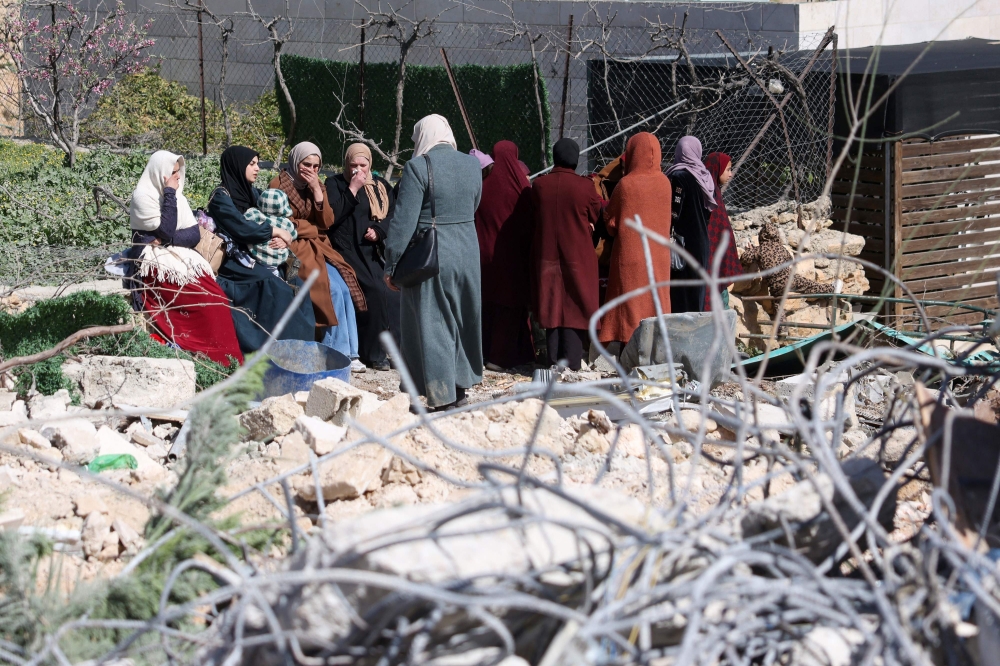
Many families continue waiting near destroyed buildings, refusing to give up hope even as rescue operations come to an end.
One grieving father standing beside the ruins where his son disappeared summed up the heartbreak shared by thousands across the country.
A humanitarian emergency begins
While search operations are slowing, another crisis is rapidly unfolding.
Thousands of displaced families are now struggling to access basic necessities including food, drinking water, medicine, and safe shelter.
Long queues for emergency aid stretch across affected neighborhoods as relief supplies remain limited.
Eighteen-year-old Daniela Armas described chaotic scenes at distribution centers, where desperate people compete for limited food supplies simply to feed their families.
Many survivors now depend entirely on volunteers, humanitarian organizations, and donations from fellow citizens.
Fatima Berroteran, whose apartment building collapsed during the earthquake, has been living with her family in a parking lot while waiting for assistance. She said they only recently began receiving drinking water after several difficult days.
Others have chosen to help despite their own hardships.
Aysmar Lopez has been preparing homemade meals and delivering them to emergency shelters, saying she struggles emotionally knowing so many people remain hungry.
International aid increases
The international community has expanded its humanitarian response as conditions continue to deteriorate.
Approximately 2,000 U.S. personnel are assisting emergency operations, while rescue teams and humanitarian organizations from around the world continue supporting recovery efforts.
The World Food Programme (WFP) has appealed for US$50 million to provide food assistance for approximately 500,000 people over the next three months.
Aid agencies warn that rapid financial support will be essential to prevent the humanitarian situation from worsening.
Growing concerns over disease outbreaks
Health experts are also warning about the possibility of disease outbreaks in overcrowded shelters.
The World Health Organization (WHO) says Venezuela’s healthcare system is operating under enormous pressure following the disaster.
Officials fear that diseases such as measles and diphtheria could spread more easily due to damaged healthcare facilities, crowded living conditions, and previously low vaccination rates.
Ensuring access to clean water, sanitation, medical care, and vaccination campaigns has become an urgent priority.
Widespread destruction across Venezuela
The earthquakes, measuring 7.2 and 7.5 magnitude, were among the strongest ever recorded in Venezuela.
Preliminary satellite assessments released by NASA estimate that nearly 58,870 buildings were damaged or destroyed, leaving entire neighborhoods reduced to rubble.
Years of economic hardship had already weakened much of the country’s infrastructure, making recovery even more challenging after such a catastrophic disaster.
The road ahead
Although rescue operations are nearing their conclusion, Venezuela’s recovery has only just begun.
Thousands of families now face the difficult task of rebuilding their homes and lives while coping with unimaginable personal loss. The coming weeks will determine how effectively humanitarian aid reaches those who need it most.
For many survivors, the challenge is no longer waiting to be rescued—it is finding enough food, clean water, medical care, and hope to begin again.