
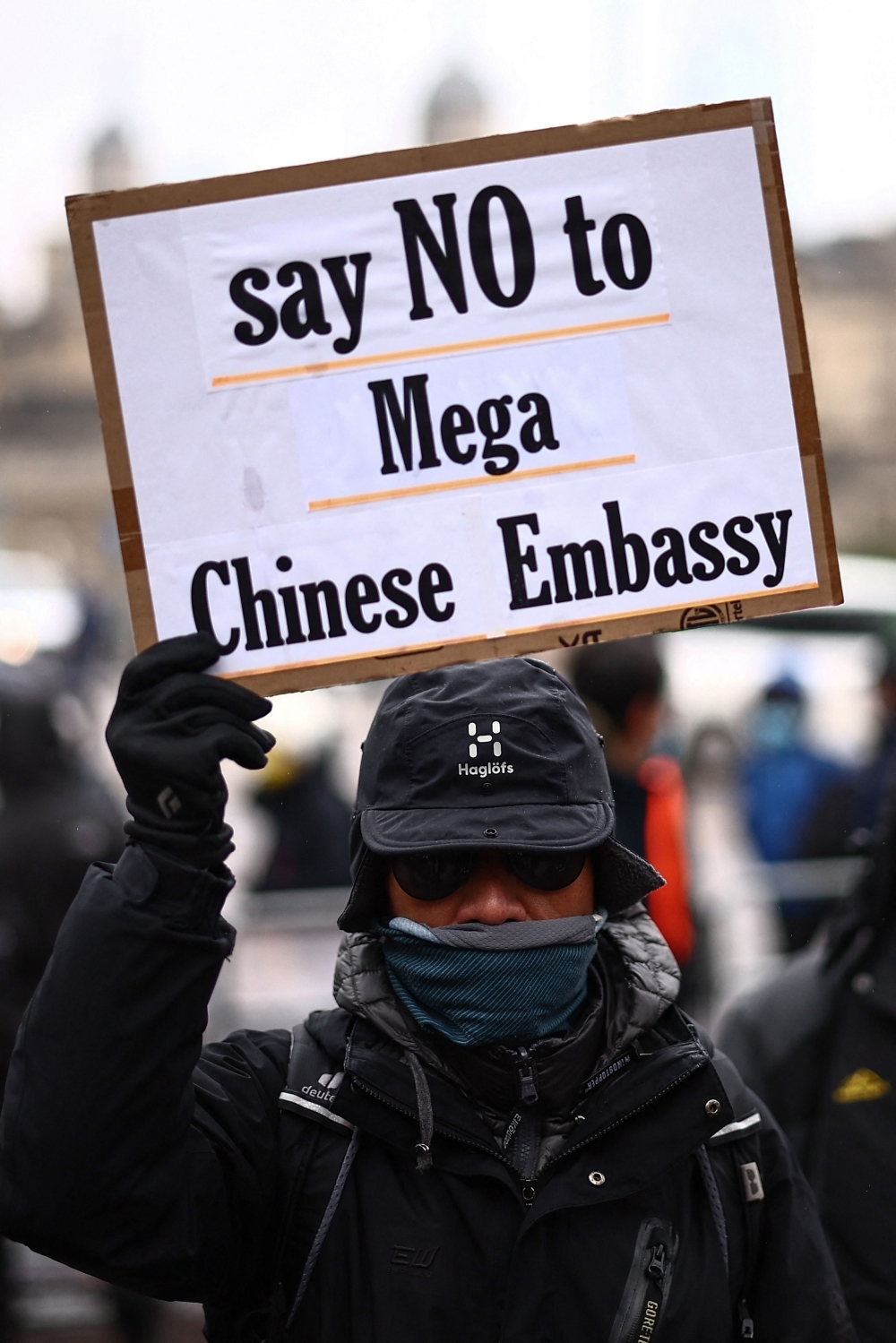
China has stated that Britain was obligated under international norms to approve plans for its new mega embassy in London, just a day after the controversial project received official approval.
Speaking at a press briefing, Chinese foreign ministry spokesperson Guo Jiakun emphasized that host countries are required to support the establishment of diplomatic facilities. According to him, providing assistance and necessary permissions for such premises is not optional, but part of Britain’s international responsibility.
The proposed embassy will occupy a 20,000-square-metre site, making it the largest Chinese embassy in the United Kingdom by land area and one of the biggest embassy complexes located in the heart of a Western capital.
However, the project has sparked strong opposition. Human rights organizations, activists, and local residents have voiced serious concerns, arguing that the site could potentially be used for surveillance or intimidation of dissidents. Protests have already taken place, and despite the government’s approval, legal challenges may still lie ahead.
British housing minister Steve Reed confirmed that the decision has been finalized, though opposition groups in London have vowed to pursue legal action in an effort to halt or delay construction.
The embassy issue comes at a sensitive time in UK-China relations. Diplomatic ties weakened significantly during the previous Conservative government, and the embassy plans became another point of contention between the two countries.
Since taking office after Labour’s sweeping victory in the 2024 elections, Prime Minister Keir Starmer has been working to reset relations with Beijing. Reports suggest he is expected to visit China later this month, signaling a potential shift toward renewed engagement.
While the approval of the embassy could help ease diplomatic strains, British officials remain cautious. Security minister Dan Jarvis reiterated that despite improved dialogue, China will continue to be viewed as a national security concern for the UK.
At its core, this decision reflects the complex balance Britain is trying to strike between diplomacy, economic interests, public concern, and national security. For ordinary citizens watching from the sidelines, it is another reminder that global politics often land right at the doorstep of local communities, shaping debates that go far beyond bricks, land, and buildings.