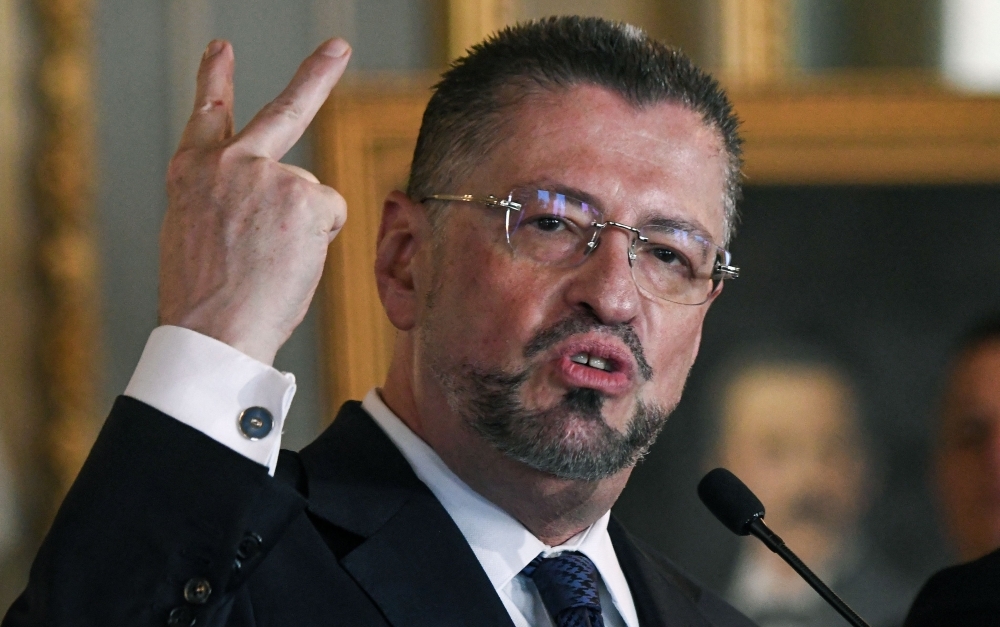
Costa Rica is grappling with a shocking security alert just days before its national elections. Authorities revealed yesterday that a plot to assassinate President Rodrigo Chaves was uncovered, highlighting rising tensions as the Central American nation heads to the polls.
Jorge Torres, head of the Directorate of Intelligence and National Security, confirmed that a “confidential source” had tipped off the agency that an assassin had been paid to target Chaves. While authorities have not disclosed the potential motivations, the revelation has sent ripples across the political landscape.
Attorney General Carlo Diaz said investigators are focusing on a female suspect who is “quite active on social media,” though he offered few other details. Diaz stressed that there is currently no evidence linking the plot directly to the presidential and parliamentary elections scheduled for February 1.
President Chaves, who is constitutionally barred from seeking immediate re-election, has thrown his support behind former minister Laura Fernandez. Fernandez, currently leading in the polls, has built her campaign on a tough stance against drug trafficking, which has contributed to a surge in violent crime across the country.
The tense political climate is further compounded by regional concerns. Opposition groups have warned about possible interference from El Salvador’s President Nayib Bukele, who began a state visit to Costa Rica yesterday. During his visit, Bukele is expected to inaugurate a new high-security prison modeled after El Salvador’s notorious Terrorism Confinement Center (CECOT), where thousands of young men have been detained without formal charges. Reports from former detainees, including several Venezuelans deported from the US, have alleged torture and harsh treatment inside the facility.
This latest threat to Costa Rica’s leadership comes at a critical moment, reminding citizens and the international community alike of the fragility of peace in a region already grappling with crime, political tension, and social unrest. For Costa Ricans, the revelation of the plot is more than just a headline—it underscores the real human cost of political instability and the importance of vigilant security as the nation approaches the ballot box.