
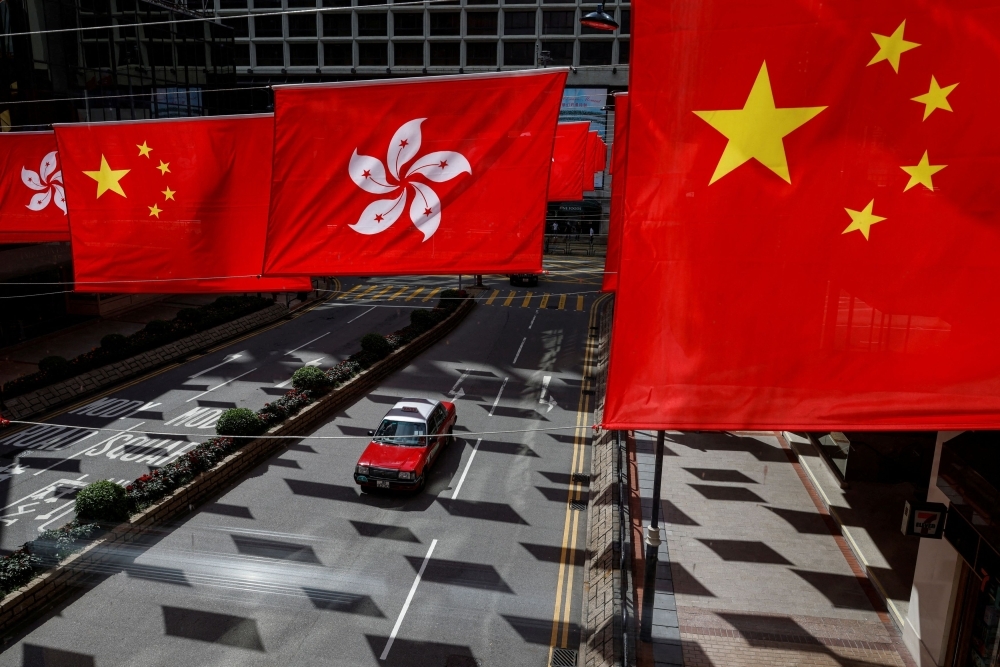
Hong Kong’s political landscape is poised to change once again as the city’s last major opposition party prepares to decide its future. On Sunday, the Democratic Party will hold a final vote on whether to disband, marking a critical moment after years of mounting pressure under China’s sweeping national security campaign.
Founded in 1994, just three years before Hong Kong’s return from British to Chinese rule, the Democratic Party has long stood as the city’s most prominent opposition force. For decades, it played a central role in legislative elections, consistently winning seats and challenging Beijing on democratic reforms, civil liberties, and the preservation of Hong Kong’s freedoms.
According to an official statement, a Special General Meeting at the party’s headquarters will formalize plans for its dissolution and liquidation. This includes settling legal and accounting matters and preparing the sale of its Kowloon property, which currently serves as its headquarters. Party insiders say these preparations have been underway for nearly six months.
Senior members have revealed that they were approached by Chinese officials or intermediaries and warned to disband or face serious consequences, including potential arrests. Under party rules, at least 75 percent of members must approve the decision for the disbandment to pass.
The timing of the vote is significant. It comes just days after Hong Kong conducted a “patriots-only” Legislative Council election, a system introduced after Beijing overhauled the city’s electoral framework in 2021. That overhaul restricted candidacy to individuals vetted as loyal to China, effectively sidelining opposition parties from formal political participation. The vote also precedes the expected verdict in the national security trial of media tycoon and outspoken Beijing critic Jimmy Lai.
Under the “One Country, Two Systems” framework, Hong Kong was promised a high degree of autonomy and the protection of civil liberties after 1997. However, since the introduction of the national security law in 2020, authorities have arrested dozens of pro-democracy figures, shut down civil society organizations, and forced liberal media outlets to close.
The Democratic Party’s influence had already been significantly reduced by these changes. In June, another pro-democracy group, the League of Social Democrats, also announced it would shut down, citing immense political pressure.
Several senior figures associated with the Democratic Party, including Wu Chi-wai, Albert Ho, Helena Wong, and Lam Cheuk-ting, have been jailed or remain in custody under the national security law, which Beijing introduced following the massive pro-democracy protests of 2019.
International governments, including the United States and the United Kingdom, have repeatedly criticized the law, arguing that it has been used to suppress dissent and erode individual freedoms. Beijing, however, maintains that no freedom is absolute and insists the law has restored stability and order to Hong Kong.