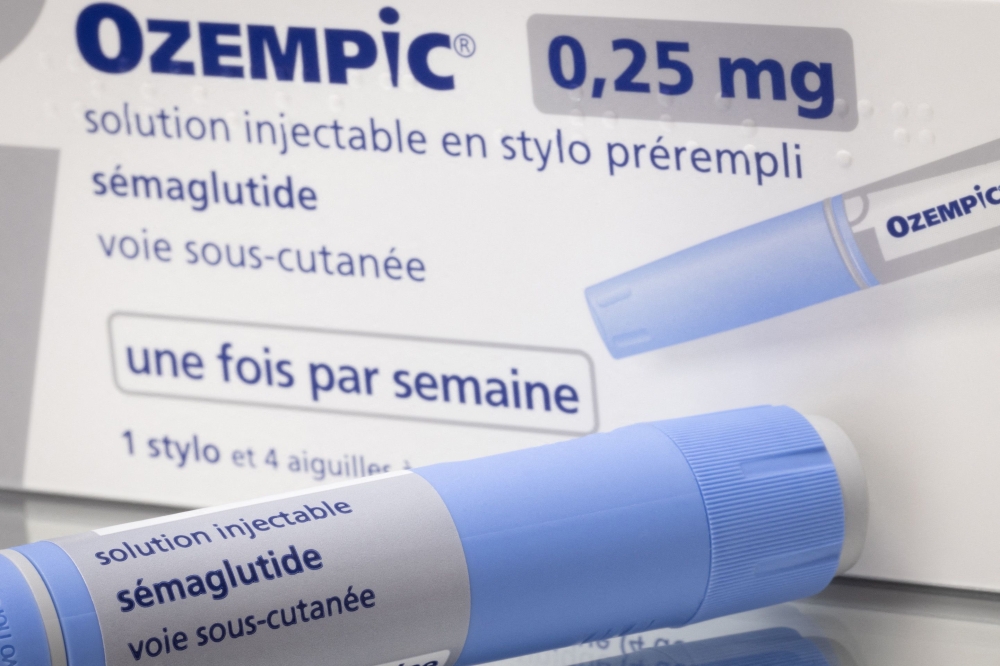
India is at the center of a pharmaceutical revolution—and a potential public health challenge. With the recent expiration of patents on semaglutide, the active ingredient in globally recognized weight-loss drugs such as Ozempic and Wegovy, India’s generics market is poised to offer affordable alternatives that could transform the fight against obesity. Yet, the Ministry of Health is sounding the alarm: these powerful drugs are not toys, and misuse could carry serious health risks.
The Ministry of Health issued a clear statement today, emphasizing that GLP-1 receptor agonists—the hormone-based drugs that control blood glucose and appetite—should only be used under strict medical supervision. “With the recent introduction of multiple generic variants of GLP-1, concerns have emerged regarding their on-demand availability through retail pharmacies, online platforms, wholesalers, and wellness clinics,” the Ministry stated. “These drugs, when used without proper medical supervision, may lead to serious adverse effects and related health risks.”
The Promise and Peril of Affordable Generics
Semaglutide generics are set to slash costs dramatically, with monthly injections priced between 1,300 to 4,200 rupees (US$15–45) compared to the previous 15,000 to 22,000 rupees. This affordability opens doors for millions who previously could not access these medications.
However, affordability comes with risks. The Drugs Controller of India has intensified regulatory surveillance, ensuring that manufacturers do not engage in indirect promotion that could mislead consumers or encourage off-label usage. The government is reinforcing that these medications are not a simple fix for obesity—lifestyle changes, dietary control, and exercise remain crucial pillars of healthy weight management.
Obesity in India: A Growing Crisis
While India continues to battle undernutrition, urbanization and rising incomes have accelerated obesity rates. Government data released last year shows 24% of women and 23% of men are overweight or obese—a trend that has pushed weight-loss drug sales to unprecedented levels. The market, which has already grown tenfold in five years to $153 million, is projected to surpass $500 million by 2030.
Experts like Simon Barquera, president of the World Obesity Federation, stress that “medication alone will not reverse the global rise in obesity.” Obesity is a complex, chronic disease that requires prevention, healthy habits, and long-term management. Relying solely on medications, even effective ones like semaglutide, is not enough.
Why This Matters Now
The timing is critical. With generic versions now flooding the market, unregulated access is a real concern. Self-medication, online orders from dubious platforms, and unverified wellness clinics could lead to serious health consequences, including gastrointestinal issues, pancreatitis, or cardiovascular complications.
Action is urgent: patients must consult certified medical professionals before starting any weight-loss medication, and healthcare providers should educate patients on the risks and proper usage of GLP-1 drugs. Regulators, pharmacists, and the public must remain vigilant to prevent misuse and protect public health.
Looking Ahead
India has a historic opportunity to make life-changing medications accessible to millions—but the responsibility rests on careful, regulated use. Low-cost generics can transform obesity treatment, but only if combined with education, lifestyle intervention, and responsible medical guidance. Misuse today could lead to public health crises tomorrow.
The global spotlight is on India: as the world’s largest supplier of generic medicines, its approach will influence not only domestic health outcomes but also international perceptions and obesity management strategies.
The message is clear: affordability without oversight is dangerous. Semaglutide generics are powerful, promising, and transformative—but only in the hands of those who understand how to use them safely.