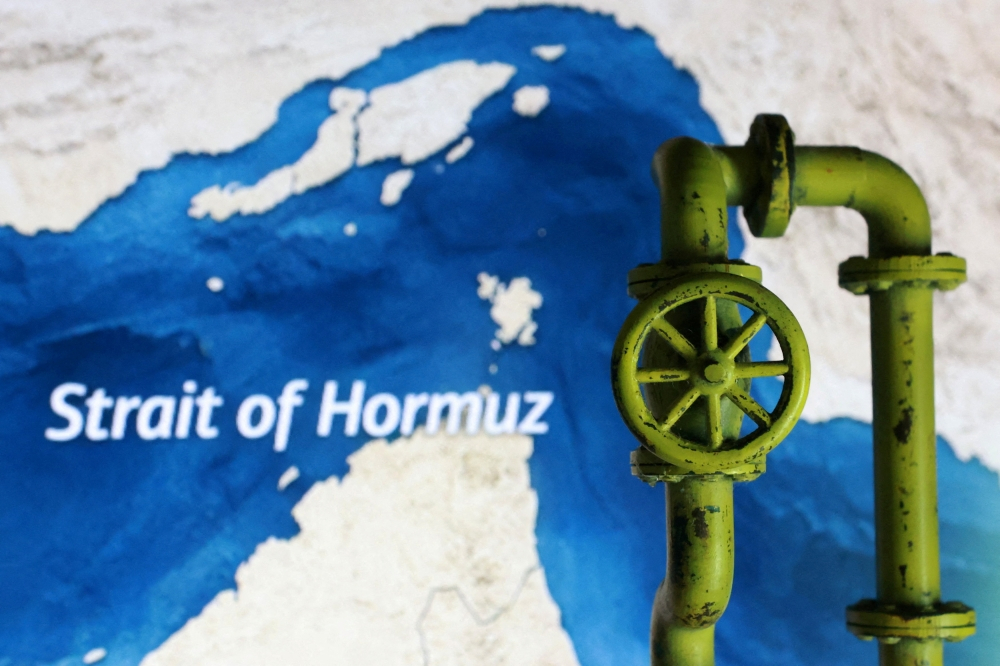
Iran has indicated that the future of one of the world’s most critical shipping routes, the Strait of Hormuz, may be permanently altered as tensions continue to rise in the ongoing conflict involving the United States and Israel.
In a recent statement, Iran’s Revolutionary Guard Corps revealed that its naval forces are in the final stages of preparing new operational measures in the Persian Gulf. These developments come as the strait has been largely restricted since the conflict intensified on February 28, significantly impacting global energy supply routes.
According to the IRGC, the conditions governing the strait are unlikely to return to what they once were, particularly for the United States and Israel. The message signals a potential long-term shift in how Iran intends to control and regulate movement through this strategically vital waterway.
The Strait of Hormuz plays a crucial role in global trade, with nearly 20 percent of the world’s oil and gas passing through it. Since the onset of the conflict, Iran has allowed only limited maritime traffic, creating disruptions in international energy markets and raising concerns among global economies.
Meanwhile, Donald Trump has reiterated warnings of possible military action, including strikes on Iran’s infrastructure, if the strait is not fully reopened. These threats have further intensified the already volatile situation.
Efforts to de-escalate tensions are ongoing. Oman State News Agency reported that Iran and Oman have engaged in discussions aimed at easing navigation through the strait. However, meaningful progress remains uncertain as diplomatic negotiations continue under high pressure.
Adding to the complexity, Iranian lawmakers have recently proposed introducing tolls and taxes for vessels passing through the strait. If implemented, such measures could reshape international shipping costs and further strain global trade relationships.