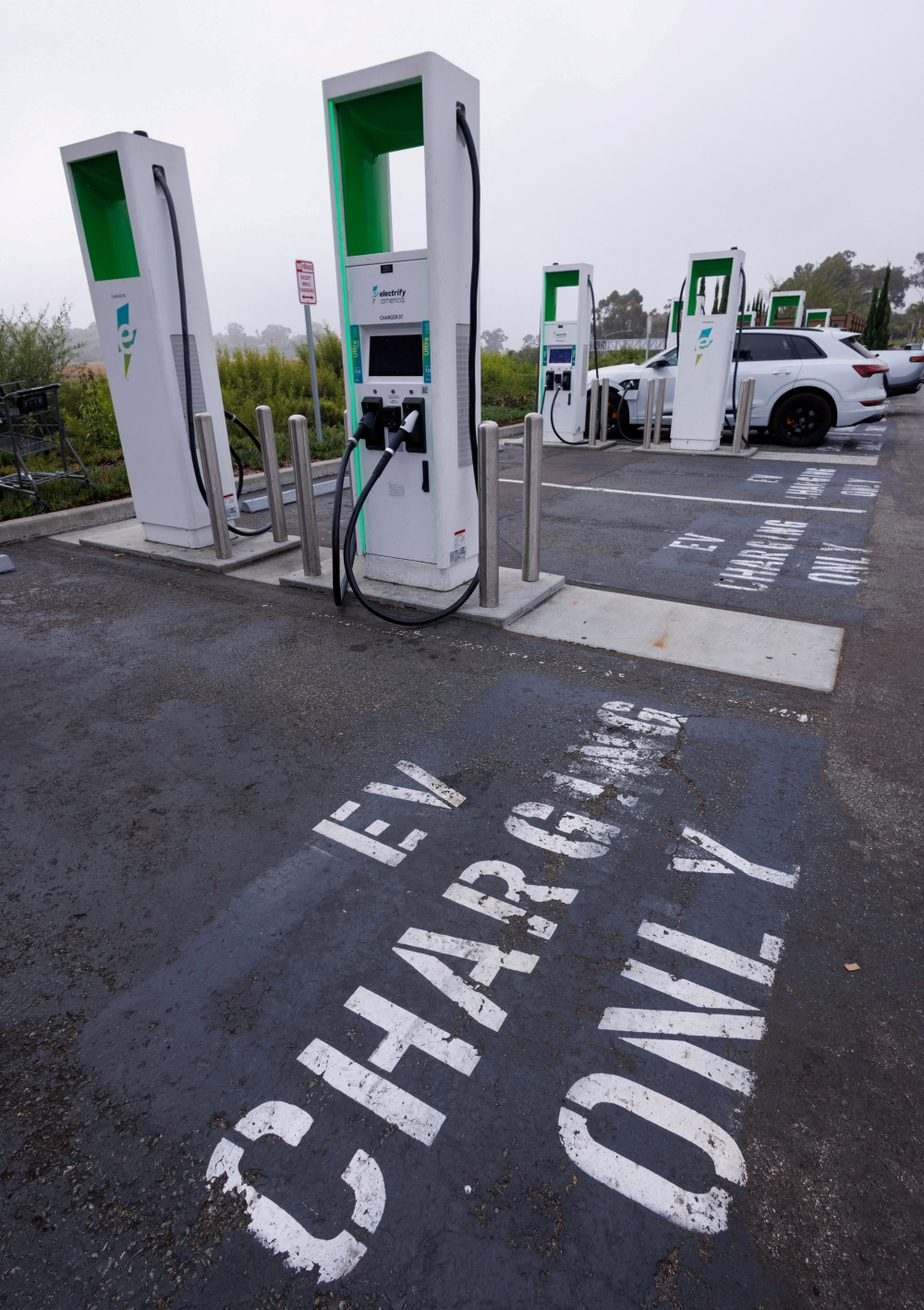
Sri Lanka has issued a clear and urgent message to electric vehicle owners: rethink when you charge your cars. The government is encouraging drivers to shift their charging routines from night-time to daytime hours, as rising electricity demand after sunset is putting significant pressure on the national power grid.
President Anura Kumara Dissanayake recently addressed the nation, highlighting a growing concern. According to him, electric vehicles are contributing an additional 300 megawatts of electricity demand during the night. This surge occurs mainly when people return home from work and plug in their vehicles, unintentionally creating a spike that the country’s energy system is struggling to manage.
The issue lies in how electricity is generated during different times of the day. While Sri Lanka benefits from strong solar energy production during daylight hours, much of this clean energy goes underutilized due to the lack of large-scale battery storage. At night, however, the country is forced to rely heavily on less environmentally friendly sources — including a 900-megawatt coal power plant and nearly 1,000 megawatts generated from diesel.
This creates a contradiction. Electric vehicles are widely seen as a symbol of sustainability, yet charging them at night in Sri Lanka currently increases dependence on fossil fuels. To address this imbalance, the government is planning to introduce new electricity tariffs aimed at discouraging night-time charging and encouraging the use of surplus solar energy during the day.
The rise in electric vehicle adoption has been rapid. Since the government lifted a five-year ban on vehicle imports in February last year, more than 10 percent of newly imported vehicles are fully electric. While this shift supports long-term environmental goals, it is also creating immediate challenges for a grid that is still evolving.
Sri Lanka is simultaneously dealing with a broader energy crisis. Global tensions, particularly the ongoing conflict in the Middle East, have disrupted fuel supplies. The country has struggled to secure key shipments of crude oil, forcing authorities to implement fuel rationing and introduce a four-day workweek to reduce energy consumption.
Efforts are underway to stabilize the situation, with the government exploring partnerships with countries such as India and Russia to secure refined fuel supplies. Meanwhile, visible changes are already taking place across the nation. Reduced traffic, quieter public transport hubs, and temporary closures of schools and offices reflect the seriousness of the current energy-saving measures.
At its core, this situation highlights a deeper reality: transitioning to cleaner technologies like electric vehicles requires more than just adoption—it demands a well-prepared infrastructure and thoughtful energy management.