The United States has moved to deny visas to a former European Union commissioner and four digital rights activists, escalating tensions between Washington and Brussels over how online speech should be regulated.
According to a statement released by the US State Department, the individuals were barred for allegedly attempting to pressure American social media companies into censoring opinions they disagree with. The department accused what it described as “radical activists and weaponised NGOs” of promoting foreign censorship efforts that, in its view, directly affect American speakers and US-based technology firms.
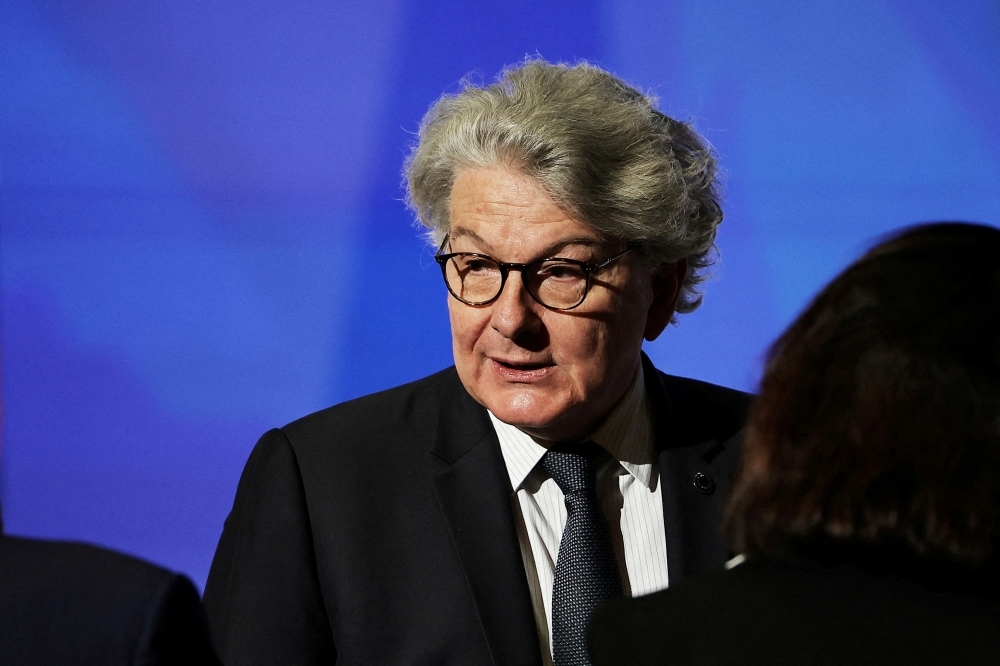
At the centre of the decision is Thierry Breton, the former European commissioner responsible for digital policy and a key architect of the EU’s Digital Services Act (DSA). During his tenure, Breton frequently clashed with prominent tech leaders, including Elon Musk, over compliance with European regulations governing content moderation, transparency, and platform accountability.
The State Department labelled Breton the driving force behind the DSA, a sweeping law that requires large online platforms operating in Europe to explain content moderation decisions, increase transparency, and allow researchers access to data to study issues such as the exposure of children to harmful material.
In the United States, particularly among conservative groups, the DSA has become a flashpoint. Critics argue it enables censorship of right-wing viewpoints far beyond Europe’s borders, a claim European officials strongly reject.
Breton, who stepped down from the European Commission in 2024, responded sharply on social media platform X, calling the visa ban a “witch hunt.” He likened the situation to the McCarthy era in the US, when officials were targeted over alleged political sympathies. Addressing Americans directly, he wrote that censorship was not coming from where they believed it was.
The visa restrictions come as Washington intensifies its criticism of EU digital regulations. Earlier this month, European authorities fined Musk’s platform X for breaching DSA rules related to advertising transparency and user verification. In response, the US government signalled potential retaliation, warning that major European companies could face scrutiny.
Those affected by the visa ban also include Imran Ahmed, founder of the Centre for Countering Digital Hate, an organisation focused on combating online hate and misinformation; Anna-Lena von Hodenberg and Josephine Ballon of the German group HateAid; and Clare Melford, head of the UK-based Global Disinformation Index. The State Department claims these organisations play a role in enforcing or supporting the DSA framework.
The dispute extends beyond the EU. Washington has also criticised the UK’s Online Safety Act, Britain’s version of the DSA. Last week, the White House paused a technology cooperation agreement with the UK, citing opposition to British online safety rules.
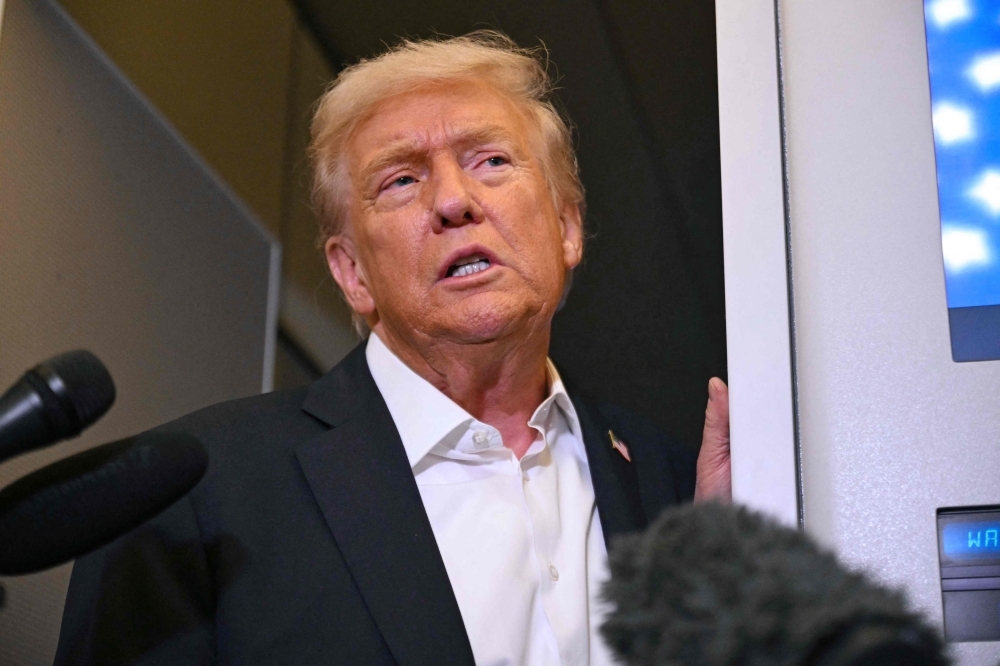
US Secretary of State Marco Rubio said the move reflected President Trump’s America First foreign policy, stressing that any foreign regulation perceived as targeting American speech or sovereignty would face resistance.