
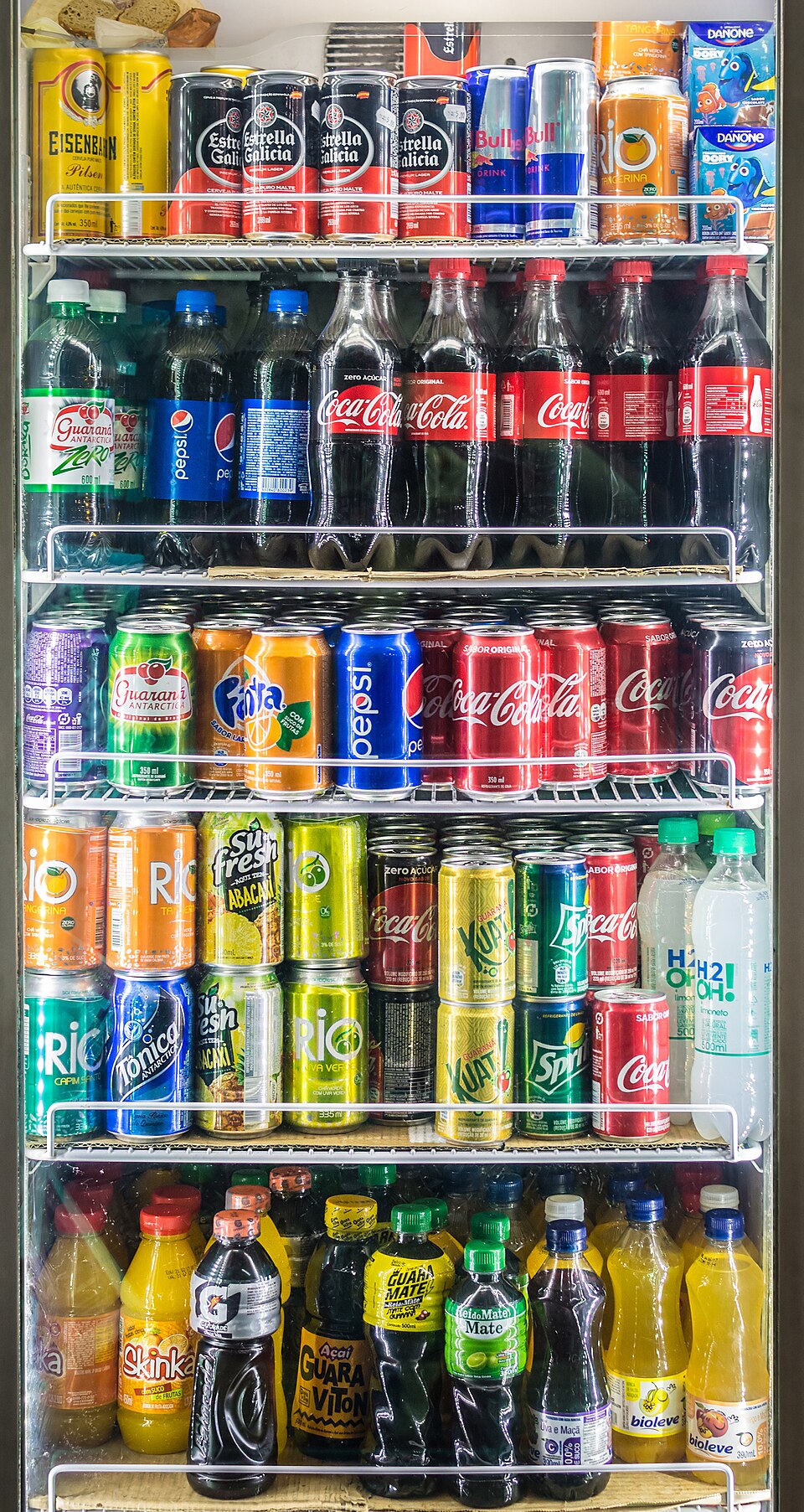
Sugary drinks and alcoholic beverages are becoming cheaper across many parts of the world, even as the cost of treating preventable diseases continues to rise sharply. This growing imbalance has prompted the World Health Organization to call on governments to take urgent action by increasing taxes on these products.
According to the WHO, consistently low taxes on sugary drinks and alcohol are directly contributing to the global surge in obesity, diabetes, heart disease, and various cancers. While these products generate enormous profits for manufacturers, governments receive only a small fraction of that revenue through health-related taxation. The result is a heavy financial burden placed on public health systems and societies at large.
The UN health agency warned that weak tax structures are allowing harmful products to remain widely affordable, while health systems struggle to cope with mounting costs caused by non-communicable diseases that could largely be prevented. WHO Director-General Tedros Adhanom Ghebreyesus stressed that health taxes remain one of the most effective tools available to governments.
By increasing taxes on tobacco, sugary drinks, and alcohol, countries can significantly reduce harmful consumption while also generating much-needed funding for essential health services. Tedros highlighted that for low-income nations facing declining international aid, such taxes could play a critical role in building sustainable, self-reliant health systems.
WHO officials also pointed out that the benefits of taxation are already well documented. Jeremy Farrar, WHO Assistant Director-General for Health Promotion and Disease Prevention, said evidence clearly shows that tobacco taxes reduce consumption, and sugary drinks should be treated no differently. Beyond revenue generation, taxation helps shift consumer behavior and strengthens disease prevention efforts, particularly in countries grappling with rising healthcare demands.
Still, the WHO acknowledged that implementing health taxes is not without challenges. Tedros cautioned that these measures can be politically sensitive and often face resistance from powerful industries with substantial financial influence. Despite this, he noted that countries such as the Philippines, the United Kingdom, and Lithuania have demonstrated that well-designed tax policies can deliver strong public health outcomes.
As part of its “3 by 35” initiative, the WHO is urging governments to raise and redesign taxes to significantly increase the prices of tobacco, alcohol, and sugary drinks by 2035. The organization recently released two global reports examining taxation on alcohol and sugar-sweetened beverages, revealing major gaps in current policies.
While at least 116 countries tax sugary drinks like sodas, many high-sugar products such as fruit juices, sweetened milk drinks, and ready-to-drink coffees and teas often avoid taxation altogether. Similarly, the WHO found that beer became more affordable in over 50 countries between 2022 and 2024, while wine remains exempt from excise taxes in at least 25 countries, especially in Europe.
The WHO emphasized that all alcoholic beverages should be subject to excise taxes, noting that affordability directly influences consumption levels. More accessible alcohol is linked to higher rates of violence, injuries, and chronic disease. Etienne Krug, who leads WHO’s work on health determinants and prevention, warned that while industries continue to profit, the public pays the price through poorer health and long-term economic losses.