
France has clarified its stance on growing international efforts to secure the Strait of Hormuz, saying a newly announced US-led maritime coalition will work alongside — not against — a mission already being developed by France and the United Kingdom.
Speaking in Abu Dhabi after a regional diplomatic tour, French Foreign Minister Jean-Noel Barrot explained that discussions with Gulf allies are progressing steadily, with the UK-France initiative now reaching an advanced stage. According to him, planning for the mission has been finalized, and the focus is now on presenting the strategy to key regional partners.
The development comes as the United States moves forward with its own coalition effort, reportedly named the “Maritime Freedom Construct,” aimed at restoring shipping through one of the world’s most critical trade routes.
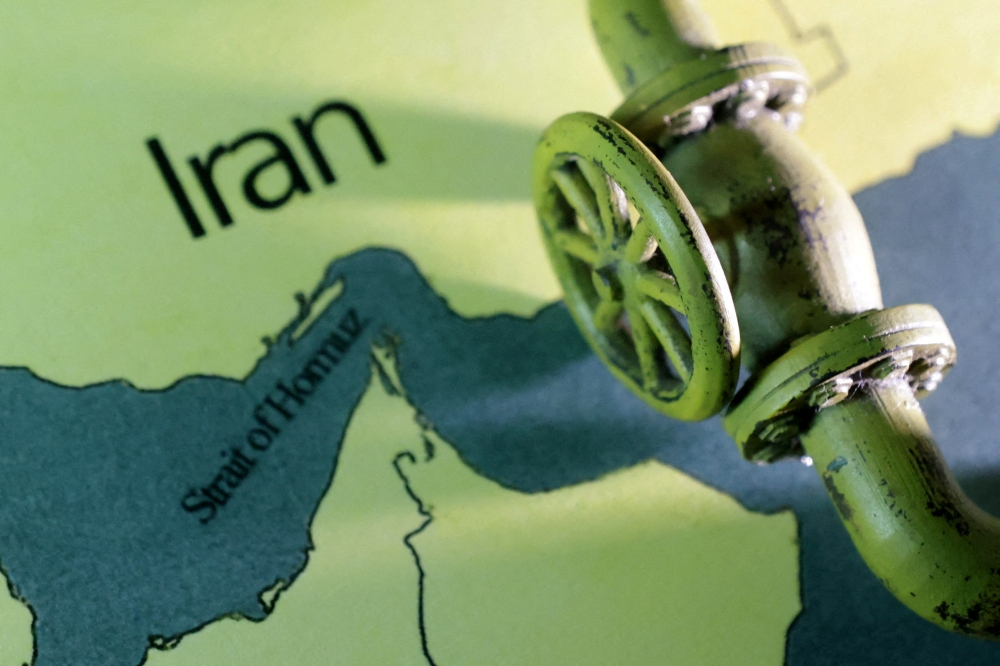
The Strait of Hormuz plays a vital role in global energy supply, carrying roughly 20% of the world’s oil and liquefied natural gas. However, ongoing tensions in the Middle East have severely disrupted traffic in the area. Iran has effectively restricted passage through the strait amid escalating conflict, leading to rising oil prices and significant strain on international trade.
France and the UK have already been working on a coordinated maritime response, recently engaging with more than 50 countries to build support. Barrot emphasized that the US initiative differs in scope and purpose, describing it as a complementary effort rather than a competing one.
He made it clear that France remains committed to its joint mission with the UK, noting that it is already well-structured and moving forward with regional backing. At the same time, he refrained from confirming whether France would participate in the US-led coalition, stating that it is too early to comment.
Reports suggest that Washington is actively encouraging global partners to join its initiative, with diplomatic outreach underway through US embassies worldwide.
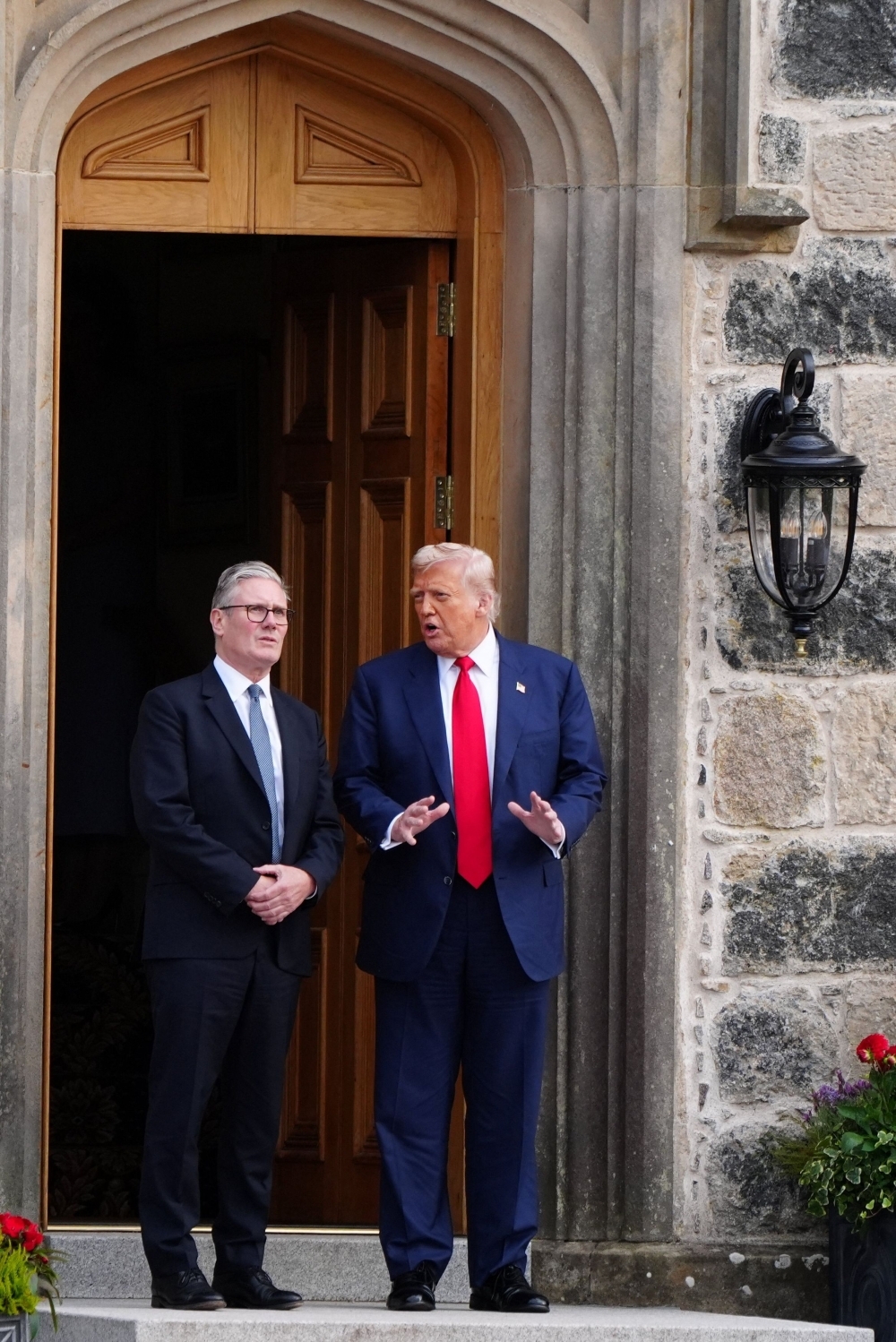
Meanwhile, political tensions continue to shape the situation. US President Donald Trump has publicly criticized allies for their limited involvement in the ongoing US-Israel conflict with Iran, urging nations dependent on oil shipments to take greater responsibility in securing the strait.
Iran, on the other hand, has maintained that it will not reopen the waterway as long as US pressure on its ports continues. The standoff has already had global consequences, pushing oil prices to their highest levels in four years and adding pressure to an already fragile global economy.
At its core, this evolving situation highlights how deeply interconnected global security, energy supply, and diplomacy have become. While multiple coalitions may seem complex, they reflect a shared urgency: keeping one of the world’s most vital trade arteries open. Behind the political statements and strategic moves are everyday people and businesses worldwide who ultimately feel the impact — through rising costs, economic uncertainty, and disrupted supply chains.