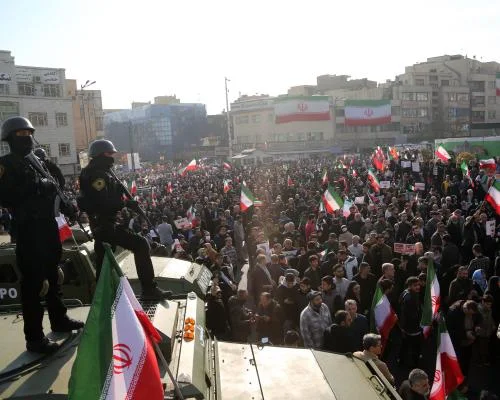
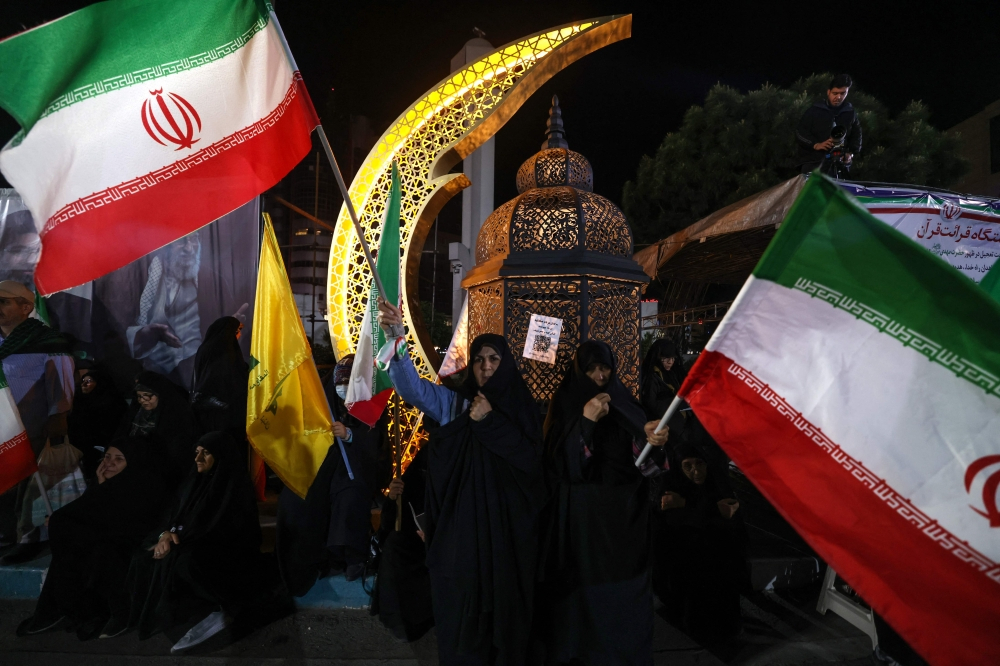
Iran signaled a shift in tone on Tuesday, saying the United States no longer holds the authority to tell other nations how to act, as discussions continue over reopening the crucial Strait of Hormuz.
The narrow waterway, one of the world’s most important routes for oil and gas transport, has been effectively closed by Iran since the early stages of its conflict involving the United States and Israel. That move sent immediate ripples through global energy markets, raising concerns about supply disruptions and economic instability worldwide.
Speaking on state television, Iran’s defence ministry spokesman, Reza Talaei-Nik, emphasized that Washington must adjust to a changing global landscape. He stated that the United States is no longer in a position to impose its policies on independent nations and suggested that it should move away from what he described as unrealistic and unlawful demands.
Although active fighting has paused under a ceasefire agreement involving Iran, the United States, and Israel, efforts to reach a long-term resolution remain uncertain. Negotiations are still ongoing, with no clear breakthrough yet.
One key development under consideration in Washington is a proposal from Tehran that could lead to the reopening of the Strait of Hormuz. Restoring access to this vital shipping route would ease pressure on global energy markets and could serve as a step toward broader diplomatic progress.
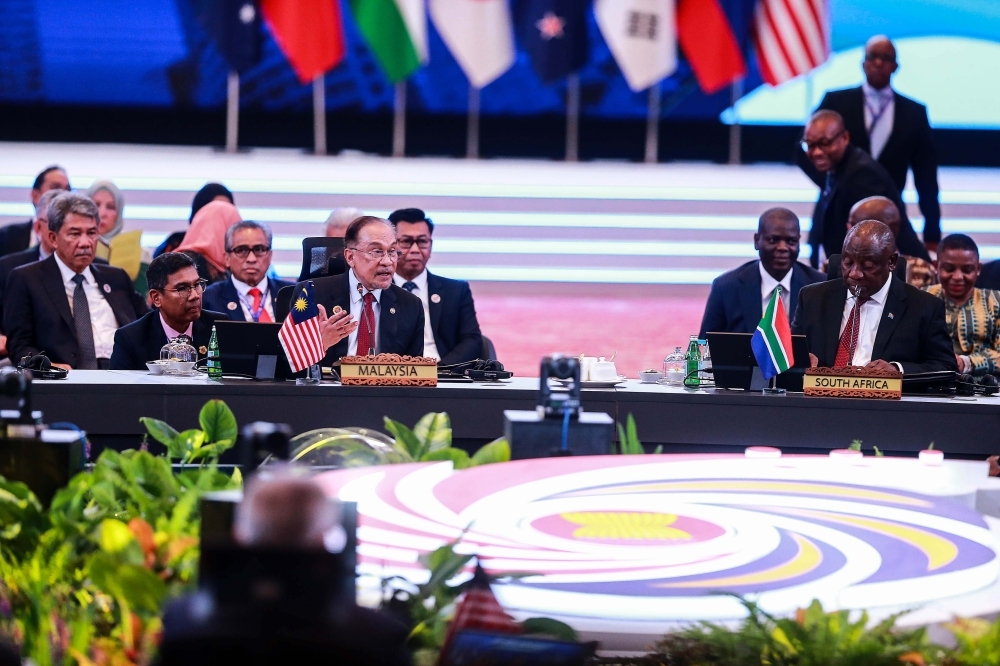
Talaei-Nik also highlighted Iran’s willingness to strengthen ties with other nations, particularly those within the Shanghai Cooperation Organisation. He noted that Iran is prepared to share its defensive military capabilities with allied and independent countries, signaling a push toward deeper regional cooperation.
At its core, this moment reflects more than just geopolitics—it reveals a world in transition. Power dynamics are shifting, alliances are evolving, and decisions made today could reshape global stability tomorrow. For everyday people, from rising fuel costs to economic uncertainty, these high-level negotiations are not distant headlines—they are realities that quietly shape daily life.